Keeping Your Carrier Records Current Before the Next UCR Filing
Below is a completely reworked version using a different editorial angle. It focuses on reviewing business changes, checking records, and using UCR as an annual compliance checkpoint rather than repeating the usual “what is UCR / why it matters / common mistakes” format.
A UCR registration may be an annual requirement, but the information behind that registration can change many times during the year.
A trucking business may add vehicles, remove equipment, change its business address, expand interstate operations, restructure the company, or modify the way it conducts business. When those changes are not considered before the next UCR registration, a carrier can end up relying on information that no longer reflects its current operation.
That is why an annual UCR review should be more than a renewal exercise.
For carriers, it is an opportunity to look at the information being used for registration, compare it with current business records, and address changes before completing the next filing. A short review can also provide a useful checkpoint for broader transportation compliance records.
Start With One Question: What Has Changed?
The most useful starting point for an annual UCR review is not last year’s registration. It is the current state of the business.
Ask what has changed since the previous registration.
Has the fleet grown? Were vehicles sold or removed from service? Has the company moved? Did ownership or business structure change? Has the carrier started providing additional transportation services?
These questions matter because an annual registration should reflect the circumstances applicable to the registration period.
For growing carriers, this review becomes particularly important. Business changes that seem minor from an operational perspective can become relevant when regulatory records are updated.
Before beginning the registration process, create a short list of significant changes made during the year. This gives the business a starting point for reviewing its UCR information instead of simply carrying forward previous details.
Take a Fresh Look at Fleet Information
Fleet information deserves particular attention because the number of commercial motor vehicles is used in determining the applicable UCR fee category.
A carrier that had ten vehicles during the previous registration period may not have the same fleet today. It may have purchased additional trucks, sold older equipment, added vehicles through leasing arrangements, or changed the composition of its operation.
Rather than relying on an old spreadsheet or previous registration, compare the current fleet information with the records used during the last registration.
A practical review can include:
- Vehicles currently operated by the business
- Vehicles added during the year
- Vehicles sold or permanently removed
- Changes involving leased equipment
- Internal fleet records
- Information used for prior UCR registration
The goal is not simply to determine whether the fleet is larger or smaller. It is to make sure the information being used for the registration accurately represents the business.
Review the Business Information Before You Review the Form
A registration can only be as reliable as the information being submitted.
Carriers should review the basic details associated with their business before completing UCR registration. This includes the legal business name, DBA information where applicable, address, contact information, and relevant carrier identification details.
Business information can change without the transportation operation changing significantly.
For example, a company may relocate to a new office while continuing to operate the same fleet. It may reorganize its business structure or update its legal name. It may also change internal contact information used for compliance matters.
These changes should not be overlooked simply because they do not affect day-to-day dispatch or transportation activities.
A good annual review asks whether the information being used today still represents the business accurately.
Compare UCR Records With Your Broader Compliance Records
One of the strongest reasons to review UCR information annually is the opportunity to identify inconsistencies across business records.
Trucking companies maintain information for multiple regulatory and operational purposes. When one record is updated but another is not, discrepancies can develop.
For example, the business may have updated its address internally but still have an older address associated with another compliance record. Similarly, fleet information may have changed significantly while an older vehicle count remains in an administrative file.
The UCR review can serve as a checkpoint for identifying these differences.
Consider comparing relevant information across:
- UCR registration records
- USDOT-related records
- Internal fleet records
- Business registration documents
- Leasing records
- Accounting records
- Previous compliance documentation
This does not mean every record needs to be changed simply because a UCR registration is due. Instead, it creates an opportunity to identify information that deserves further review.
Business Growth Can Change the Compliance Picture
Growth is usually a positive development for a carrier, but it can also make compliance administration more demanding.
A business operating five trucks may be able to track changes informally. Once the fleet expands, information can be spread across accounting systems, fleet-management records, administrative files, and compliance documents.
The same applies when a carrier expands into new markets or begins operating across state lines.
Changes worth reviewing include:
Fleet expansion: More vehicles can affect the information used for UCR registration.
New interstate activity: A business that changes the geographic scope of its operations should reassess its applicable registration requirements.
New services: Changes in the nature of the company’s transportation activities may create additional compliance considerations.
Business restructuring: Mergers, ownership changes, entity changes, or other structural developments should be reflected appropriately in business records.
Location changes: A new office or mailing address should prompt a review of relevant records.
The more a business changes, the less useful it becomes to treat last year’s compliance information as a template for the current year.
Don’t Treat UCR as an Isolated Task
UCR registration is one part of a much larger compliance environment for trucking businesses.
Carriers may also have obligations involving operating authority, vehicle records, insurance, fuel tax reporting, permits, annual reports, state registrations, and other requirements depending on their operations.
The exact obligations vary from one business to another.
Because of that, UCR registration can be used as an annual checkpoint rather than a standalone administrative task.
When reviewing UCR information, ask whether other business records have changed as well.
A carrier may discover that a fleet expansion requires attention in more than one area. A business relocation may affect several records. A change in ownership may require a broader review of the company’s documentation.
This approach can help businesses identify compliance work that might otherwise remain scattered across different departments or files.
Create a Record of the Review
Completing UCR registration is only one part of maintaining a strong compliance record.
Businesses should also retain documentation showing what was reviewed and when the registration was completed.
A well-organized UCR file can include:
- Registration confirmation
- Payment documentation
- Applicable registration year
- Fleet information used for the registration
- Relevant business information
- Notes regarding significant changes
- Supporting records where appropriate
Keeping these records together makes future reviews easier.
When the next registration period arrives, the business does not have to reconstruct what happened previously. Instead, the prior year’s documentation becomes a reference point for identifying changes.
That can make annual compliance administration considerably more efficient.
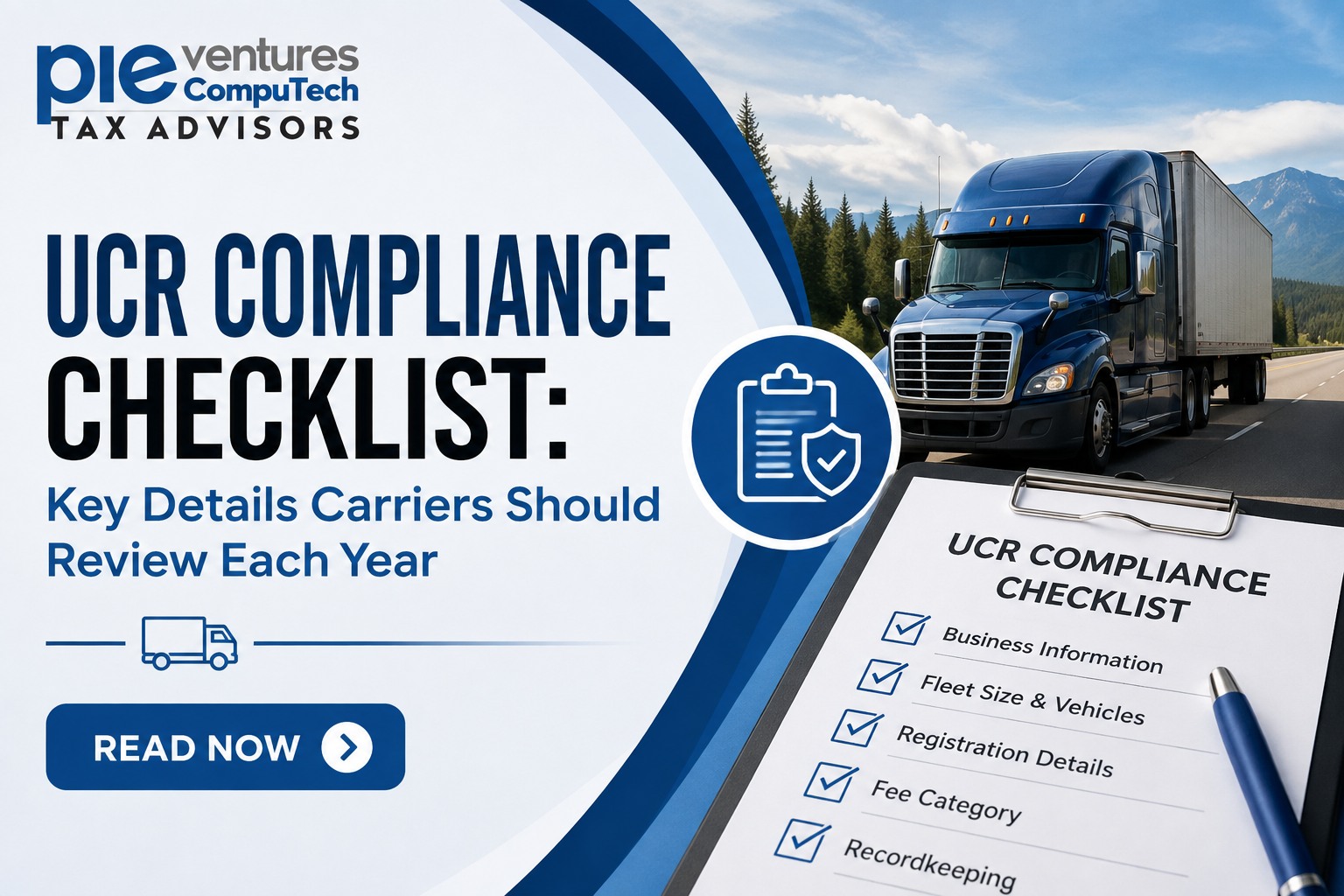
Use a Checklist That Reflects Your Actual Business
A compliance checklist is most useful when it reflects the way a carrier actually operates.
Instead of creating a long list that nobody uses, businesses can establish a short annual review covering the areas most likely to change.
UCR Annual Review
Business details
- Is the legal business name current?
- Is the address accurate?
- Have ownership or entity details changed?
- Are contact details current?
Fleet
- Has the number of commercial vehicles changed?
- Were vehicles purchased or sold?
- Have leasing arrangements changed?
- Does the current fleet information match internal records?
Operations
- Has the company expanded its interstate activities?
- Have its transportation services changed?
- Has the business entered a new operating category?
Records
- Is the previous UCR registration available?
- Is the current registration documentation retained?
- Do relevant records contain consistent information?
Planning
- Has the annual registration requirement been added to the compliance calendar?
- Has someone been assigned responsibility for reviewing and completing it?
A checklist like this turns UCR from an item that is remembered at the last minute into a defined part of the company’s annual administrative process.
When Should Carriers Begin Their UCR Review?
Waiting until registration is immediately due leaves little room to investigate discrepancies.
A better approach is to begin reviewing information before the registration process becomes urgent. This gives the business time to locate records, verify fleet information, identify changes, and address questions that may require additional attention.
The exact timing can vary based on the size and complexity of the operation. Larger fleets and businesses with frequent changes may benefit from maintaining their compliance information throughout the year rather than conducting a single review annually.
The principle is straightforward: review early enough that an unexpected issue does not become a last-minute problem.
Professional Support Can Simplify the Process
For a busy trucking business, compliance information is often spread across multiple records and responsibilities. UCR registration may appear straightforward, but ensuring that the underlying information is current requires attention to detail.
Pierian Ventures provides support for businesses that need assistance with UCR registration and trucking compliance requirements. Our team can help review relevant information, organize the registration process, and provide practical support so carriers can approach their annual requirements with greater clarity.
Whether your fleet has expanded, your business information has changed, or you simply want a more organized approach to annual UCR compliance, professional assistance can make the process easier to manage.
Keep UCR on Your Annual Compliance Calendar
UCR registration should not be viewed simply as another form to complete each year.
It provides carriers with a useful opportunity to review changes in their business, verify fleet information, compare records, and identify areas that may need attention.
The most effective approach is simple: don’t start with last year’s registration—start with this year’s business.
Once the current operation has been reviewed, the registration process becomes easier to approach with accurate and relevant information.
For carriers managing multiple compliance responsibilities, that small shift in approach can make UCR administration more organized and far less reactive.
Need assistance with UCR registration or other trucking compliance requirements? Contact Pierian Ventures to discuss your business requirements and get professional support for your annual compliance process.